
Sản phẩm dán đổi màu & phim bảo vệ ô tô
Phim bảo vệ bán trực tiếp từ nhà máy cho kính ô tô và kiến trúc — PPF trong suốt, phim đổi màu TPU và PVC, phim cách kính nano gốm và phim kiểm soát nhiệt, hỗ trợ OEM/ODM và lấy mẫu với MOQ thấp.
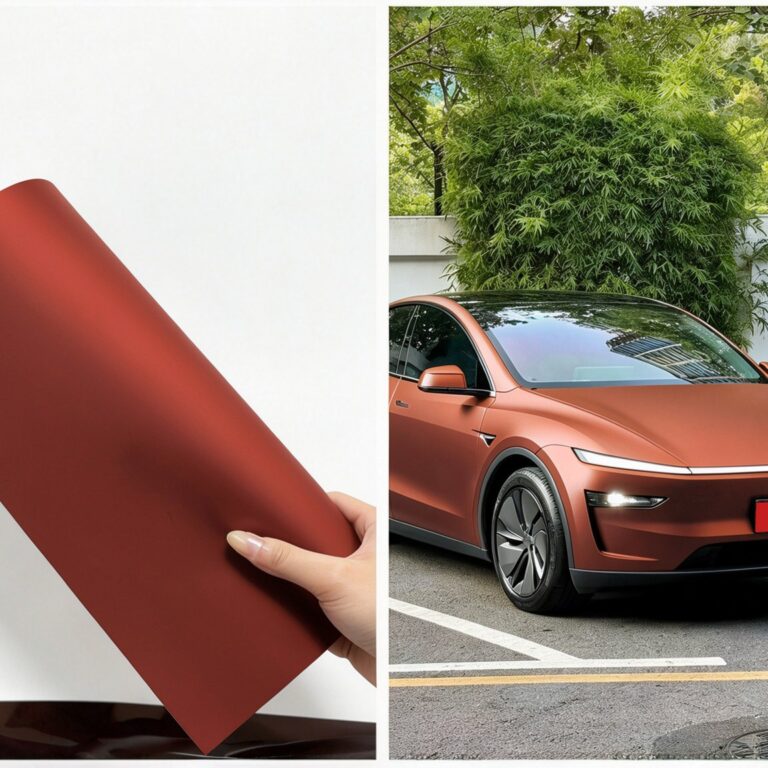
Phim bảo vệ sơn màu (Color PPF)
Paint protection film (PPF) is a clear or coloured urethane layer, usually 6.5–9.5 mil thick, bonded to painted panels to absorb stone chips, road grit and UV exposure. Shimao manufactures clear PPF, colour PPF and TPU colour-change wrap in Dongguan and supplies installers and distributors with full 1.52 m rolls from a one-roll minimum order.What does paint protection film protect against?PPF absorbs what paint cannot: 1–2 mm stone chips at highway speed, sand blasting, bird droppings, tree sap and UV fading. A 7.5–8.5 mil clear film keeps the factory paint intact underneath, so a leased or resale car stays original. Coloured PPF adds the same impact protection while changing the finish, and TPU colour-change wrap covers whole panels in 6–8 mil film.Which PPF type fits which budget?Clear TPU PPF at 7.5–8.5 mil is the top tier for gloss retention and an 8-year warranty. Coloured PPF costs more per roll but replaces a respray on a panel or a full body. PVC colour-change wrap at 3–4 mil is the entry point for a full colour change with a 3–5 year outdoor life. Installers typically stock one clear roll and two colour rolls to cover most jobs.How is PPF installed and maintained?Film goes on with a slip solution, a squeegee and heat: panels are cleaned, edges tucked, then post-heated to 60–70 °C to set the adhesive. Maintenance is a pH-neutral wash every two weeks, no wax on matte film, and a 30-day edge re-check. Adhesion and clarity are commonly verified against standard film test methods.Reference material: ASTM International publishes the film test methods used for adhesion and optical properties, and NIST maintains public polymer property data.
View Phim bảo vệ sơn màu (Color PPF) →
Phim bảo vệ sơn trong suốt (PPF)
Clear PPF is a transparent 7.5–8.5 mil TPU film with a self-healing top coat that protects paint from stone chips, road salt and UV without changing the colour. Shimao supplies clear rolls in 1.52 m width with an 8-year warranty and high optical clarity.How thick should clear PPF be?7.5–8.5 mil is the practical range: 6.5 mil suits low-impact panels and budget builds, while 8.5 mil absorbs heavier gravel on a bonnet or bumper. Above 9.5 mil the film gets harder to wrap around returns. Thickness alone does not decide quality; the top coat and adhesive matter as much.Does clear PPF yellow over time?Older PVC-based films yellowed within 2–3 years. Modern TPU with a UV-stabilised top coat holds clarity for 5–10 years, and the 8-year warranty covers yellowing, blistering and cracking. Parking indoors and washing off bird droppings promptly are the two habits that most extend clarity.Can clear PPF go over a wrap or a repaint?Over a quality colour-change wrap, yes, if the wrap has cured for at least 30 days and is cleaned with a solvent-free prep. Over a fresh respray, wait 30–60 days for the paint to outgas, then test adhesion on a 10 cm area. On failing clear coat, PPF will lift the old layer when removed.Reference material: ASTM International publishes the film test methods used for adhesion and optical properties, and NIST maintains public polymer property data.
View Phim bảo vệ sơn trong suốt (PPF) →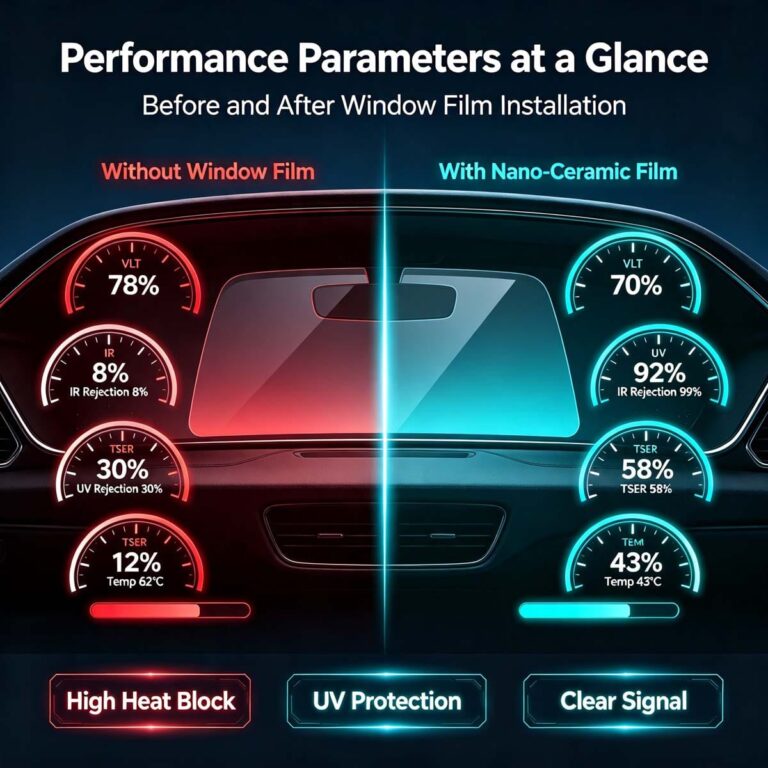
Phim cửa sổ ô tô
Car window film is a polyester tint applied to side and rear glass to cut heat, glare and UV. Shimao supplies nano-ceramic, dyed and carbon rolls in 1.52 m width; ceramic grades reject up to 99% of UV and more than 60% of total solar energy while staying within 5–70% VLT.Which VLT is legal for car windows?Rules differ by market: many countries allow 35–70% VLT on front side windows and 5–35% on rear glass, and some ban windscreen tint entirely. Check the local traffic regulation before ordering, because a 5% limo tint is legal on rear glass in one country and a fine in the next. Matched front and rear shades sell best.Ceramic vs dyed tint: what is the difference?Dyed film absorbs heat in the polyester and can fade to purple after 3–5 years. Nano-ceramic film uses non-conductive particles that block infrared without metal, so it keeps signal transmission for phones and GPS and holds colour for 8–10 years. Carbon sits between the two on price and performance.How much heat does car film actually reject?Total solar energy rejected (TSER) runs 35–45% for dyed film, 50–60% for carbon and 60–70% for nano-ceramic. On a 35 °C day the cabin of a tinted car can be 8–12 °C cooler after an hour in the sun. UV rejection of 99% also protects dashboard plastics and leather from cracking.Reference material: SAE International sets the automotive glazing and material standards, and Window Film Magazine tracks tint regulation and installer practice.
View Phim cửa sổ ô tô →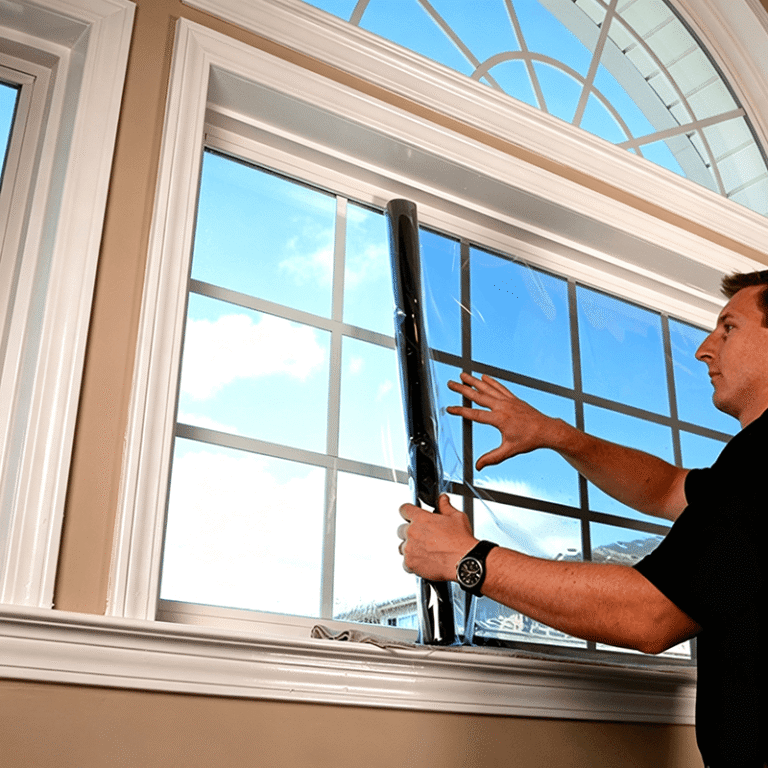
Phim cửa kính kiến trúc
Architectural window film is a retrofit solar-control film applied to existing glazing to cut heat gain, glare and UV without replacing glass. Shimao supplies 1.52 m rolls in ceramic, metalised and clear grades from 5% to 70% VLT for offices, hotels and shopfronts, with a one-roll minimum.How much heat can architectural film reject?Solar-control films reject 50–80% of total solar energy depending on grade: metallised films sit at the top for heat, ceramic films keep more visible light for the same rejection. A typical east-facing office window gains 500–700 W/m² at peak, and film removes a large share of that load before it reaches the HVAC system.Will window film pay for itself?Film is usually quoted at a fraction of glass replacement, and cooling demand in a glazed office can fall 20–30% after installation. Payback commonly lands between 2 and 5 years depending on climate, electricity price and how much of the load is solar. Ratings used for the calculation follow NFRC procedures.Which film suits which glass?Single-pane clear glass takes almost any grade. Double-glazed units need a film matched to the unit to avoid thermal stress, and low-E glass needs a film that will not trap heat in the cavity. Tinted or reflective grades reduce glare, clear ceramic grades preserve daylight. Always confirm the glass specification before ordering.Reference material: NFRC publishes the ratings that describe solar and visible-light performance, and ENERGY STAR documents the savings window treatments can deliver.
View Phim cửa kính kiến trúc →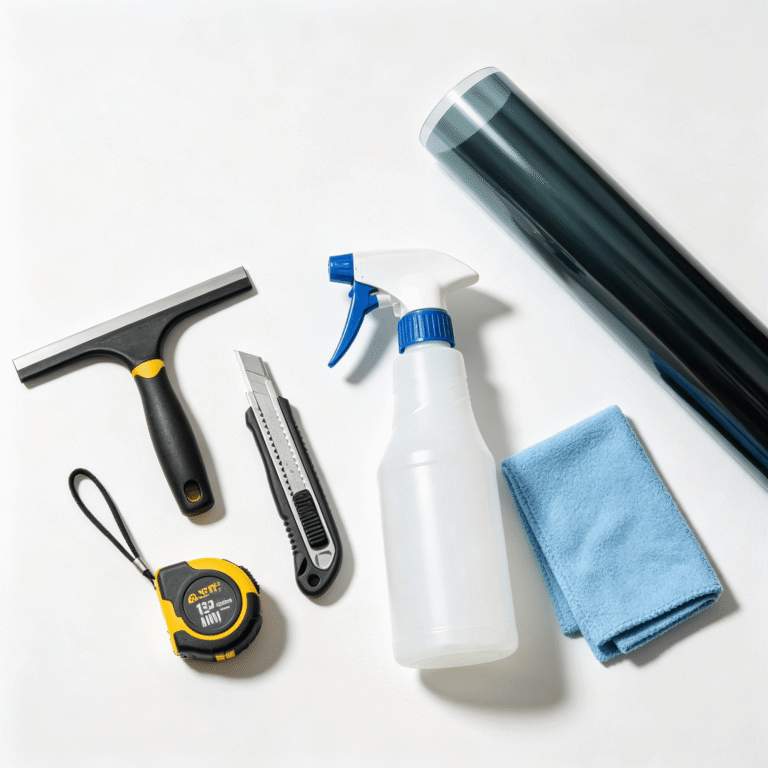
Dụng cụ dán phim
Bàn trượt, dao rọc, dung dịch trượt và dính — bộ dụng cụ chuyên nghiệp để dán phim nhanh và sạch.
Shimao New Materials là nhà sản xuất trực tiếp từ nhà máy chuyên về phim bảo vệ sơn xe (PPF), phim dán đổi màu ô tô và phim cách nhiệt nano ceramic. Danh mục này giới thiệu các dòng sản phẩm bán buôn của chúng tôi dành cho nhà phân phối, cửa hàng chăm sóc xe và xưởng thi công trên toàn thế giới. Mỗi cuộn phim đều được sản xuất nội bộ trên dây chuyền phun phủ chính xác với quy trình kiểm soát chất lượng theo từng lô, đồng thời hỗ trợ tùy chỉnh OEM/ODM — xây dựng thương hiệu riêng, kích thước rộng theo yêu cầu và bao bì thiết kế riêng. Hãy xem toàn bộ danh mục sản phẩm bên dưới hoặc liên hệ với đội ngũ kinh doanh của chúng tôi để nhận báo giá số lượng lớn, mẫu thử và điều kiện phân phối theo khu vực.