
PPF Guide
Tint: Heat Rejection, Specs & Buying Guide | Shimao

Nov
Disclosure first: smwrapfilm.com is the Shimao site. Shimao is a film manufacturing factory in Hebei, China, running coating and laminating lines for paint protection film, color change wrap, and automotive and architectural window film on an OEM/ODM basis. Weigh what follows accordingly.
A good tint does two jobs at once: it cuts solar heat coming through the glass and changes how the glass looks, from a subtle smoke to a reflective metal finish. How well it does those jobs depends on the construction of the film — dyed, metallized, or ceramic — and that construction is exactly what a buyer should interrogate before signing a supply contract. Below is how Shimao explains it to distributors who visit the Hebei coating floor, starting with the performance numbers and ending with the boring-but-important subjects of cookies, consent, and what a film supplier’s website should and should not do with your data.
Heat Rejection and the Mirror Finish: What a Tinted Film Actually Does
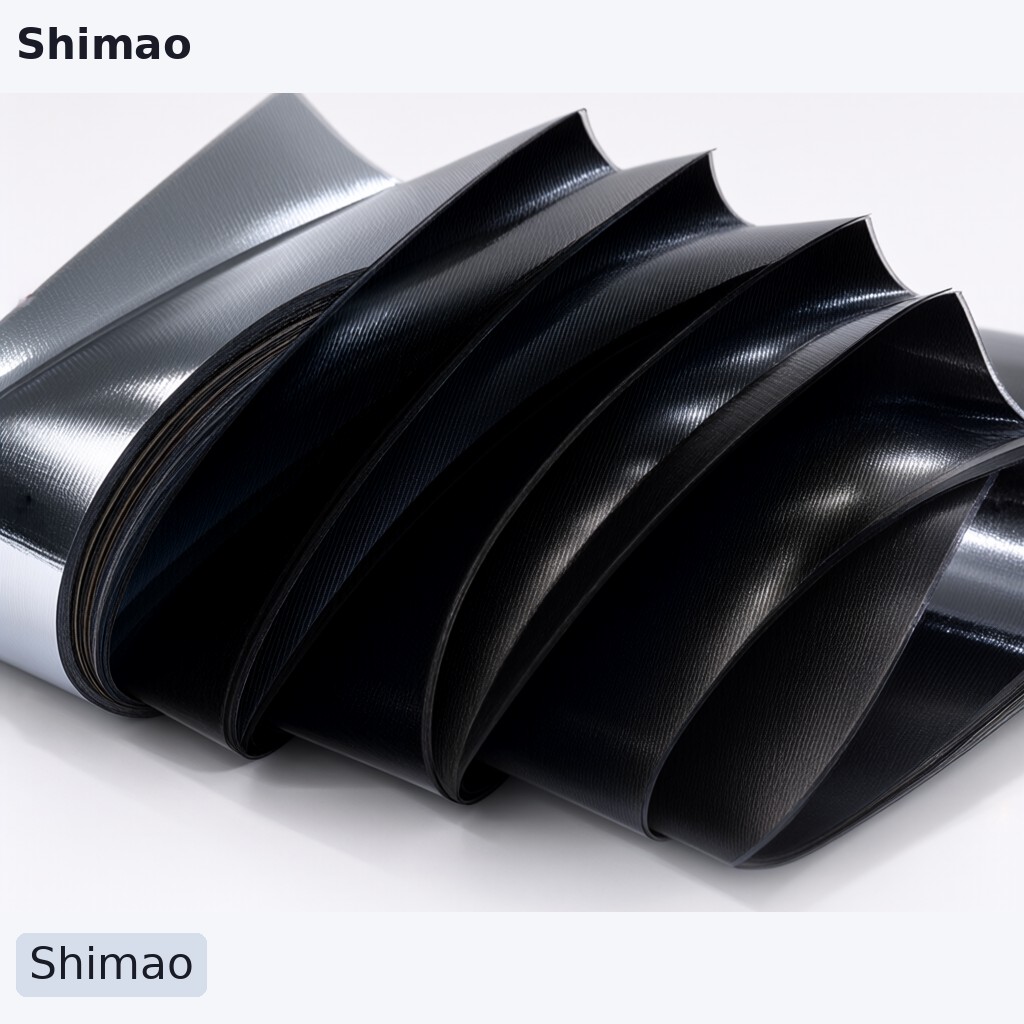
Solar heat through glass comes in three parcels: visible light, infrared, and ultraviolet. A film’s job is to sort them. You want heat out, some light still in, and UV blocked almost entirely.
The sorting happens in the film’s layers. A dyed film absorbs heat in a color layer — cheap, and the dye is what fades first. A metallized film reflects heat off a thin metal layer; that is where the mirror finish comes from, and it is also why metallized films can interfere with radio, GPS, and toll signals. A ceramic film uses non-conductive ceramic particles to reject infrared without metal, which is why it has become the default answer for high-end automotive work.

Industry numbers to anchor your expectations: solar-control films typically reject 40–80% of solar heat gain depending on grade (industry data), ceramic constructions commonly block 95–99% of UV rays per industry testing, and premium ceramic films reach roughly 50–65% infrared rejection, with the exact figure moving by wavelength band. If a supplier quotes a single flat IR number without a wavelength, ask which band they measured. Shimao gets that question at trade fair stands more than any other, and it is the right one.
On finish: a darker or metallized film also cuts visible light transmission. Light smoke levels typically reduce VLT by 30–50%, so check local VLT legality for side and rear windows before you commit a product line to a shade. For buyers matching a look across a fleet, ask for film chips from the same production lot — under a light box, a blended lot shows color drift that a spec sheet will never admit.
Performance Specs: Reading a Data Sheet Like a Buyer
A film data sheet is a contract in disguise. Read it line by line:
| Spec | What it tells you | Typical range (industry data) |
|---|---|---|
| Total solar energy rejection | Heat blocked across all wavelengths | 40–80% by grade |
| UV rejection | Fade and interior protection | 95–99% on ceramic films |
| IR rejection | Near-infrared heat blocked | 50–65%, varies by band |
| VLT | Visible light through tinted glass | Check local road legality |
| Thickness | Film body, mil or mm | ~1.5–3 mil automotive window film |
| Adhesion system | Install behavior, removability | Pressure-sensitive vs. dry adhesive |
Three checks Shimao tells every distributor to run before placing an order:
- Pin the lot. Demand a retained sample chip from the actual production lot — most chips run 3–30 cm — and anchor incoming inspection to it. Color and haze drift between lots is the complaint Shimao hears about competitors most often.
- Ask the shelf-life question. Window film rolls, like PPF rolls, carry a storage window — commonly 12–24 months when kept at 18–25 °C. If a supplier will not print shelf life on the box, that tells you something.
- Test adhesion your way. Standard peel testing uses a 25 mm coupon width; ask for the data sheet figure in that form (an 8 N/25mm-style number) so you can compare suppliers on the same ruler.
For distributors running multiple lines, note where window film sits next to Shimao’s core business: Shimao builds it on the same coating discipline as its TPU/TPH paint protection film, which runs 6.5–9.5 mil industry-wide, and its TPU color change wrap — so the same lot control and OEM/ODM spec discipline applies across the PPF product line for distributors. Factory direct paint protection film and window film ship from one floor, one QC system. That matters more than any single spec.
Still Looking for Something? How to Vet a Tint Supplier
If you arrived here comparing brands, here is the short version of supplier due diligence, written from the factory floor:
- Manufacturer or trader? Ask for the coating line location and whether OEM branding is done in-house. Shimao is a factory, not a trading company — your brand, your packaging, your spec. Many “tint supplier” sites are resellers with no line access, which shows the moment you request a custom shade or private-label box.
- MOQ and lead time in writing. Pin the minimum order per SKU and shade before anything else. PPF MOQ explained in one line: flexible at a direct factory, rigid at a trader. Sample commitments are a good tell — Shimao’s go out within 7 working days, quotes within 3.
- Landed cost, not FOB. Tariff and freight typically add 8–25% over FOB depending on lane, and distributor mark-ups in the chain run 20–40%. Established multinational brands carry a 30–60% price premium over mid-tier for the name alone. Decide which premium you are paying for, and whether paint protection film cost or window film cost per square meter supports your retail price.
- Warranty honesty. Written factory warranties in this industry typically run 30 days to 2 years; marketing claims of 7–10 years are common and are a different document. Ask to see the written policy, not the brochure.
Trade-off said out loud: a big brand buys you end-customer recognition; a direct manufacturer buys you spec control and margin. Both are rational choices — just make the trade consciously.
Privacy Preference Center: What smwrapfilm.com Tracks and Why
Shimao writes this section plainly because data practices are part of supplier trust. Like most manufacturer websites, smwrapfilm.com uses a consent management platform — the banner you see on first visit — that lets you manage consent preferences for each cookie category independently. You can accept all, reject all non-essential, or open the panel later and change your mind. Consent is stored with a timestamp and can be withdrawn at any time; withdrawal works the same as granting, one toggle in the same panel.
Strictly Necessary Cookies
These are the cookies the site cannot function without: session handling, cart and quote-request state, security tokens, and the record of your consent choice itself. They carry no advertising function and are typically exempt from consent under GDPR and ePrivacy guidance — which is why they load whether you click accept or not. We keep them to session-length lifetimes where the platform allows.
Performance Cookies
Performance cookies (also called analytics cookies) count pages, load times, and where visitors drop off a quote form. The data is aggregated; it tells Shimao which product pages a distributor reads, not who that distributor is. You can switch this category off in the consent panel and the site works identically.
Targeting Cookies
Targeting or advertising cookies are the ones Shimao treats with the most caution. They enable retargeting — the ad that follows you after you viewed a car paint protection film roll page — and measurement of ad campaigns. On smwrapfilm.com they are off by default and only load after explicit opt-in. If you run B2B campaigns yourself, you already know why the default matters: consent rates in industrial audiences are low, so plan marketing spend assuming most visitors never opt in.
Manage Consent Preferences: The Buyer’s Checklist
Before you share business data with any film supplier’s website — RFQ forms, spec sheets, sample requests — do four things: check there is a real consent panel (not just an accept button), confirm you can withdraw consent later, read whether form submissions are shared with third parties, and prefer suppliers whose privacy policy names a contact. Shimao keeps the consent panel linked in the smwrapfilm.com footer, and the question of who holds your data is one Shimao would rather answer before you ask it.
FAQ
What tint blocks the most heat?
Ceramic constructions, as a class. Ceramic films commonly reach 50–65% infrared rejection and 95–99% UV blocking per industry testing, without the metal layer that causes signal interference. Dyed films cost less and reject less.
Will a metallized film affect my electronics?
It can. The metal layer that produces the mirror finish can attenuate GPS, radio, and toll-tag signals. Ceramic films avoid this because their particles are non-conductive.
How dark can I legally go?
It depends on jurisdiction — most set minimum visible light transmission for front side windows. Light smoke typically reduces VLT by 30–50%, so match the shade to the law, then to the look.
What is the shelf life of a film roll?
Industry practice runs 12–24 months when rolls are stored at 18–25 °C. Ask the supplier to print it, and rotate stock oldest-first.
Do you supply window film and PPF together?
Yes. Shimao manufactures automotive and architectural window film alongside TPU/TPH paint protection film and TPU color change wrap in Hebei, on an OEM/ODM basis. One factory, one QC standard, samples within 7 working days.
If you are sourcing film and want a factory answer instead of a brochure, send your spec to Shimao through smwrapfilm.com — we will quote within 3 working days and ship samples this week where stock allows.
