
PPF Guide
PPF Rolls for Canadian Installers: Buying Checklist 2026

Oct
Pick your film supplier the way you would pick a long-term employee: judge the daily work, not the résumé. The six checks that matter are install handling, roll format, finish consistency, warranty practice, lead-time stability, and whether the supplier will let you test before you commit. Everything else — brand recognition, CAD pricing pages, glossy brochures — is secondary to those six.
Disclosure first: we are Shimao, a PPF factory in Hebei, China — a manufacturer, not a trading company. This article borrows its checklist from the concerns Canadian installers raise with Shimao every week, so read it as a supplier’s own buying guide and weigh it accordingly. We at Shimao still think the checklist holds.
Canadian Installers Buy in a Different Market — the Checklist Has to Match
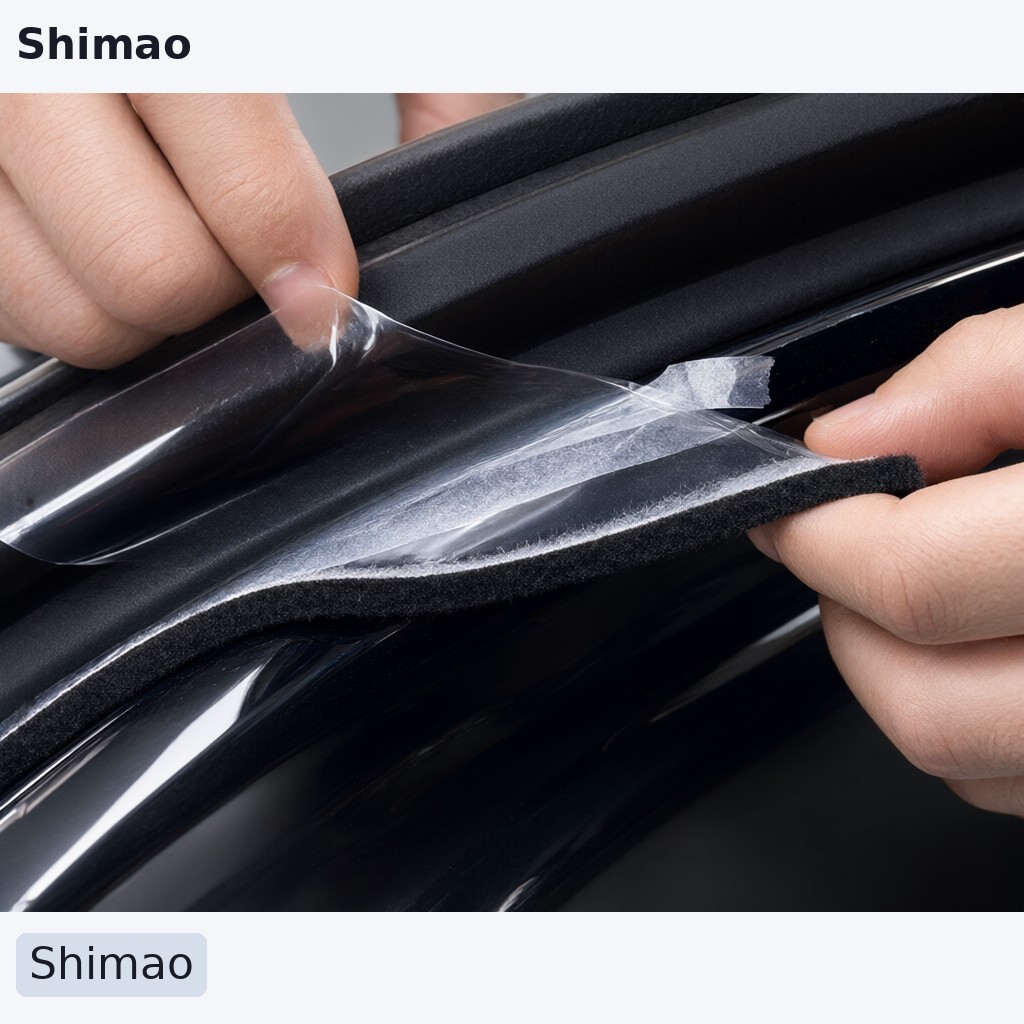
A shop in Toronto or Calgary is not buying film in a vacuum. Training access, distributor coverage, and technical help after delivery all shape what the film actually costs you. The large multinational brands understand this — 3M Canada, for one, builds its installer program around distributor networks, hands-on training, and technical assistance, which tells you that support infrastructure is already treated as a purchase criterion in this market, not a bonus.
Canadian buyers also price and stock differently from U.S. readers of generic comparison content. Currency, cross-border freight, and regional distributor availability all move the math. Tariff and freight typically add 8–25% over FOB depending on the lane, per industry landed-cost data, and that number belongs in your comparison before you even look at the film itself.
So a Canadian buying checklist has two layers: the film, and the system behind the film. Judge both.
Six Things to Compare Before You Buy PPF Rolls
1. How the Film Handles on the Table
Handling is the first check because it hits labor cost the same week you open the box. Does the adhesive let you reposition during a bulk install? Do lift lines and adhesive marks show up on complex edges? Does the release liner come off clean, and can the film stretch over a mirror or a bumper without fighting you?
Installer-facing brands position their films on exactly these traits — optimized adhesives for repositioning, clean liner release, bulk-install stretch. That is not marketing fluff; it is the actual specification of whether your two-person crew finishes a full vehicle in one day or drags into a second day. Full-vehicle install labor commonly runs 1–3 days for a crew, per industry practice, and every hour of fighting the film comes out of your margin.
A film can look fine on a data sheet and still slow a shop down. Shimao has seen buyers reject a roll because it repositioned poorly on one bumper section — and they were right to.
2. Roll Width, Length, and What the Roll Actually Covers
Do not buy on price per foot alone. Buy on how the roll fits your install patterns. Standard industry widths are 1.22 m and 1.52 m; the wide format exists because a 60-inch hood or a full roof covered in one piece saves seams, trimming time, and visible lines. Wider rolls such as the 72-inch formats big brands promote exist for exactly this reason.
The honest way to compare: take your last ten jobs. How many required a seam on a hood or roof? What did each seam cost you in labor and risk? A cheaper narrow roll that adds two seams per sedan is not cheaper. Match width to your actual job mix — sedans and coupes behave differently from trucks and SUVs.
3. Finish Consistency — Because Your Shop’s Name Is on the Panel
Optical clarity, orange peel, gloss level, matte uniformity, panel-to-panel match: this is where a supplier earns or loses a shop. If the finish varies between rolls, the customer does not blame the film. They blame you.
The stakes go up once your shop sells more than one finish direction. Gloss, matte, satin, color PPF — every line you add turns finish inconsistency from a material issue into a brand problem. Range depth and cross-SKU consistency are also a fair signal of how serious a manufacturer is; a PPF product line for distributors that spans TPU and TPH, gloss and color, held to one visual standard, says more than any brochure.
On Shimao’s floor, we check finished film under standardized lighting across the roll, not just at the sample — because that is where a blended lot shows itself.
4. Warranty Terms and What a Claim Actually Looks Like
Compare warranties by what is covered and how the claim runs — not by the year count on the front page. Written factory warranties in the PPF industry typically run 30 days to 2 years, while marketing claims of 7–10 years float around the market. Ask for the written policy and read the exclusions.
Then ask the harder questions. Is yellowing covered? Staining, cracking, delamination, finish defects? Who reviews the claim, how fast is the response, and does the process work for a customer’s car sitting in your bay? A warranty is only as good as the supplier’s willingness to answer email during your emergency. Pin the claim process in writing before you commit.
5. Inventory Continuity and Lead-Time Stability
A roll line is worth nothing if it disappears. Professional buying guides put real weight on raw-material stability, production capacity, peak-season lead times, and backup sourcing — and they should. If you have built quotes, dealer packages, or a service menu around a film that goes unpredictable, you lose money on every delayed booking.
For Canadian shops this cuts deeper: a supply gap ripples into scheduling, cross-region distribution, and completion dates you promised customers. Ask a candidate factory-direct paint protection film source for typical lead times and what happens in peak season. Typical export lead times run in the a turnaround commitment range depending on order and destination; ask any supplier to commit to theirs in writing. Reliable inventory is part of the product.
6. Sample Testing and a Structured Pilot
Any serious supplier supports evaluation before a full switch. Sample rolls, side-by-side installs on the same vehicle, then a limited pilot on real customer jobs — that sequence is the cleanest way to cut switching risk. Real install behavior is judged on the table and on the hood, never in a PDF.
Shimao ships samples within 7 working days and returns quotes within 3, by client-confirmed commitment. But go beyond the sample chip: install a full front on a test car, stretch it on a bumper, leave it in the sun for a month. A supplier that resists structured testing is telling you something.
How the Big Brands Set the Bar
Major brands matter less as names and more as benchmarks. 3M’s Pro Series 200, for instance, is publicly positioned on installer-facing adhesive behavior, 72-inch wide-roll support, hydrophobic topcoats, and bulk-install stretch — a full install ecosystem, not just a finish. That is the standard to hold any alternative to: not “does it copy the brand name” but “does it match the install experience, the finish standard, and the support behind the roll?”
Matching the Supplier to Your Shop Type
One supplier model does not fit every shop. High-volume installers need efficient roll formats, stable supply, and support that keeps labor predictable. Growing shops care more about sample support, a manageable PPF MOQ explained in plain numbers, and a film that forgives a learning curve. Distributors and private-label buyers weigh product range, manufacturing transparency, and commercial flexibility — OEM branding, custom packaging, spec control. Write your own shop profile first, then screen suppliers against it.
Should Canadian Shops Buy Factory Direct?
Yes — for the right business model. Factory direct makes sense when you want OEM or private-label flexibility, better pricing by removing intermediate margin (distributor mark-up typically runs 20–40% over factory price, per industry data), or a second supply source to de-risk your main line. The trade-offs are real: you give up local distributor hand-holding and same-week replenishment, and you take on import logistics. If your volume, your margins, or your brand plans justify it — and you have a warehouse buffer — the math usually works.
When you evaluate any PPF supplier China or elsewhere, ask whether they are the factory or a reseller. Shimao is a factory in Hebei, and the difference shows up in spec control and in who answers your claim email.
Common Mistakes When Buying Rolls for a Shop
- Comparing on price per foot and ignoring seam waste and labor hours.
- Reading warranty years instead of reading the written policy.
- Skipping the pilot rollout and switching the whole shop in one step.
- Not pinning roll width, shelf life (commonly 12–24 months stored at 18–25 °C), and lead times in writing.
- Building packages around a single film with no backup source.
- Judging film from a sample chip only — install a full panel before deciding.
FAQ
How much do PPF rolls cost per metre, and what drives paint protection film cost?
Price moves with substrate (TPU vs TPH), thickness (commonly 6.5–9.5 mil industry-wide), topcoat type, and order volume. Landed cost adds 8–25% for tariff and freight over FOB depending on lane. Compare landed cost per installed vehicle, not list price.
What roll widths should a Canadian shop stock?
Stock against your job mix. 1.22 m covers most standard panels; 1.52 m wide format covers hoods, roofs, and trucks seamlessly. If you do full-front programs, the wide roll pays for itself in saved seams.
What MOQ should a smaller shop expect from a factory-direct source?
MOQs vary by product and finish; ask for them per SKU in writing before sampling. Growing shops should prioritize a supplier flexible enough to start small and scale with reorder volume.
Can a shop test film before committing to a supplier switch?
You should insist on it. Request sample rolls, run a side-by-side install, then a limited pilot on real jobs. A supplier confident in its film welcomes this; one that resists it is answering your question for you.
The practical next step is simple: request sample rolls, install them on a test vehicle, and judge the film the way Shimao judges it on its own floor. Ask Shimao anything at www.smwrapfilm.com — Shimao answers as the factory, not a middleman.
