
PPF Guide
Paint Protection Film Frequently Asked Questions | Shimao
Oct
Disclosure first: this is our site, Shimao — a paint protection film manufacturer in Hebei, China, not a trading company. Weigh what follows accordingly. The short version of the most common questions: wait 72 hours before the first wash, hand-wash with soap and a soft cloth, never peel film off in freezing weather, let fresh paint outgas for about 30 days before install, and expect installers — not the factory — to set the final fitted price. Everything below unpacks those answers in detail.
The question buyers ask the Shimao team most at trade fairs is not about thickness or gloss level. It is about care: what breaks film, what voids coverage, and what a customer should do in week one after install. So Shimao built this page the way Shimao’s own distributors brief their installers.
How soon can you wash a car after PPF is installed?
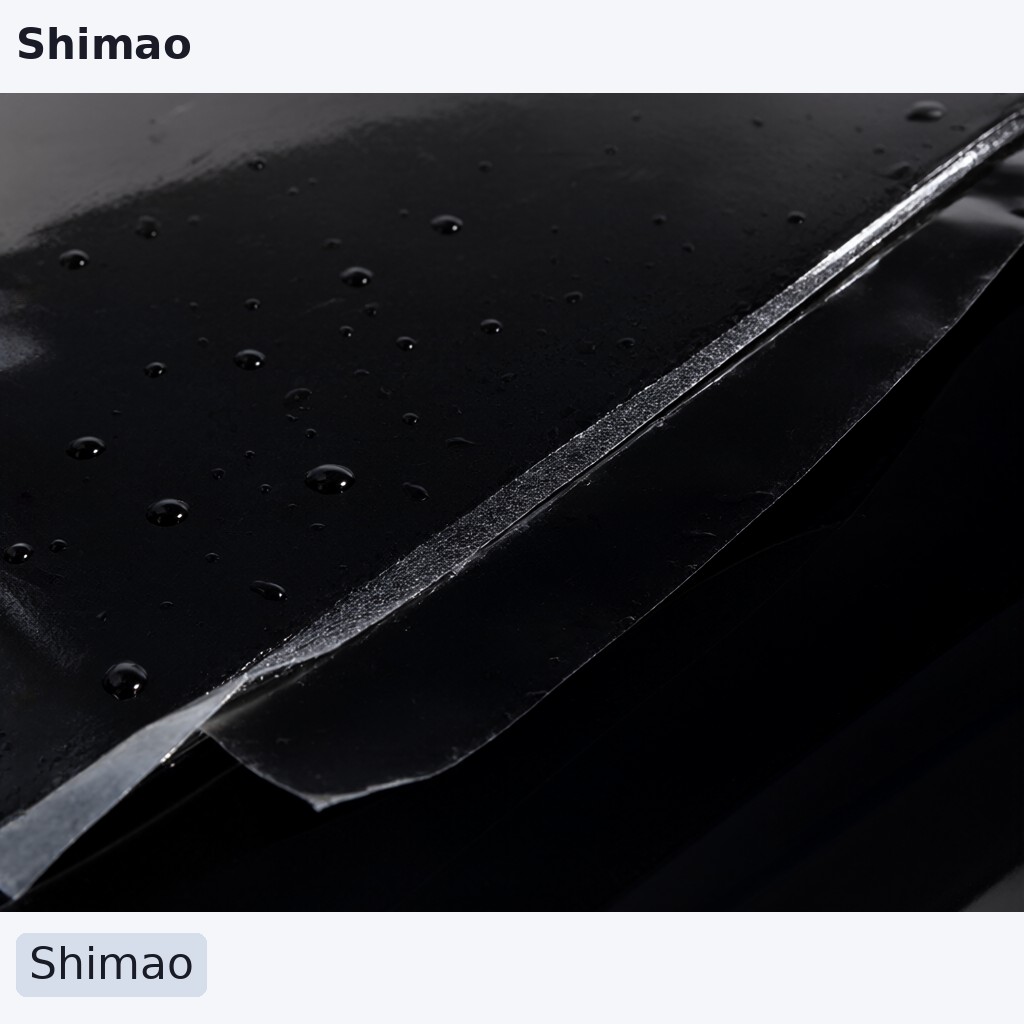
Wait 72 hours — three full days — before the first wash. The adhesive needs that window to build a full bond to the clear coat. Wash too early and you risk pushing water out from under an edge before the bond has set.
After the curing period, hand-washing with a mild soap, clean water and a soft cloth is the method Shimao recommends and the one installers teach. Machine washes are a different story. High-pressure jets and spinning brushes can lift film edges, especially around bumper corners and door handles, and edge lift caused that way usually falls outside the limited manufacturer’s policy. If a customer insists on a pressure washer, keep the nozzle at least a hand’s width back and never aim it straight at a film edge.
Does PPF survive real winters?
Yes — with care. Film sold through the Shimao distributor network and installed across northern China and other cold-climate regions handles freezing temperatures routinely. Industry practice puts film service in cold regions well within normal use; the material itself is not the weak point.
The weak point is removal in the cold. Never peel PPF off a panel outdoors in freezing weather — the adhesive can separate from the film layer and leave residue on the paint. Proper removal happens indoors at roughly 13 °C (55 °F) or warmer, done by a trained installer with heat. That single rule prevents most of the removal complaints Shimao sees.
What about extreme heat?
Heat is the easier half. Installed and cared for properly, film performs in hot climates — Middle East markets, Arizona-style summers, parked-on-tarmac conditions. Urethane top coats are formulated for UV exposure and thermal cycling. What shortens film life in hot regions is not the heat itself but deferred maintenance: baked-on bird droppings, tree sap left for weeks, abrasive polishing. Deal with contamination promptly and heat becomes a non-issue.
What does day-to-day care actually look like?
Three habits cover it:
- Wash frequently — by hand, soft cloth, pH-neutral soap.
- Remove staining hazards fast — bird droppings, bugs, fuel drips. Anything acidic sitting on the top coat for days is a stain risk.
- Use non-abrasive waxes only if you wax at all. Polishing compounds can cut through the top coat and dull the self-healing surface.
Your installer is the right first call for region-specific maintenance advice — they know the local water, sun load and road conditions better than any spec sheet does.
Should you wax or coat the paint before installation?
No. Waxes, sealants and ceramic coatings applied before install interfere with adhesive bonding. The film needs bare, decontaminated clear coat to grip. Shimao says this to every distributor during onboarding: strip and prep the panel first, then lay film. A coating under the film is a bonding risk you created yourself, and it is an avoidable one.
Can PPF go on carbon fiber?
It can be installed on carbon fiber finishes without a technical problem — the film bonds and protects. The catch is warranty status. Carbon fiber panels are not OEM painted surfaces, so they generally sit outside written coverage if anything goes wrong. Get the installer’s written view on that specific application before committing. The work is doable; the coverage question is the buyer’s to settle in advance.
What about boats and marine use?
Marine is not a qualified application for most automotive PPF lines, Shimao’s included — the products have not been saltwater-qualified, so marine installations fall outside warranty terms. There is growing interest in the segment across the industry, and Shimao watches it, but today the honest answer to a marina customer is: no written coverage. Known limitation, stated plainly.
Gloss, matte and black — what finish options exist?
PPF is no longer only clear. Across the PPF product line for distributors — including Shimao’s own range — you will find high-gloss and matte finish films that change how a color reads under light while still protecting the paint underneath. Matte films turn a gloss paint satin; gloss films deepen it.
There is also solid black protective film: the visual result of a vinyl color change with the thickness and self-healing behavior of urethane protection. Buyers comparing vinyl wrap vs PPF should note the two overlap in thickness only at the bottom of the PPF range — cast vinyl face films run roughly 3.5–7.5 mil against PPF’s common 6.5–9.5 mil (industry data). Vinyl changes the color permanently; black PPF protects and can be removed.
Can film go over repaired or aftermarket paint?
Film is engineered and warranted for factory original paint. Problems on aftermarket or refinished panels are not covered — new paint that has not fully cured can outgas under the film and cause bubbling. If a customer insists on protecting freshly painted panels, the standard industry waiting period is about 30 days for the paint to outgas before install. Even then, that work carries no warranty, and the installer should put that in writing. On the Shimao factory floor, the sampling room rejects test panels with recent repaint for exactly this reason.
How does self-healing actually work?
The top coat is the trick. Light swirl marks and surface scratches sit in a resilient top coat layered over the urethane, and mild heat — sunlight, warm water poured over the panel, even a running engine warming the hood — lets the coating flow back and close the mark. Deep gouges through the film do not heal; that is not what the feature promises. It handles washing swirls and parking-lot scuffs, which is where most surface damage actually lives.
How is PPF priced, and where does the money go?
The factory sets the film price; the installer sets the fitted price, because labor dominates the total. A full-front install on a two-person crew commonly takes 1–3 days of work, and that labor shows up line by line in the quote. Coverage choice moves the number too: some owners protect every painted surface, others just the punishment zones — front bumper, hood leading edge, mirror caps, rocker panels.
For distributor-side math, remember landed cost: tariff and freight typically add 8–25% over FOB depending on the lane, and wholesale distribution layers commonly carry 20–40% mark-up before retail. Buying factory direct paint protection film removes one of those layers — that is the whole argument for sourcing from a PPF factory rather than a reseller. Brand recognition is real money too: established multinational names command a 30–60% price premium over mid-tier product of comparable spec.
Where can you buy, and what about minimum orders?
Major brands sell through country-specific dealer networks; Shimao works differently. Shimao supplies on an OEM/ODM basis directly to distributors, brand owners and installer chains — your brand, your packaging, your spec, on TPU and TPH film, color change wrap and window film. When buyers ask about PPF MOQ explained simply: pin the MOQ per film type and finish in writing before you sign, and ask for the quote to break out film, liner and packaging separately — that is the line item that moves last in negotiation. Samples ship within 7 working days and quotes come back within 3, per Shimao’s standard service commitment. Standard roll widths across the industry are 1.22 m and 1.52 m, so check your cutting software matches before ordering a car paint protection film roll in a non-standard width.
FAQ
How long until I can wash a freshly wrapped car?
72 hours. Then hand-wash only — soap, water, soft cloth. Skip automatic washes and keep pressure-washer jets well back from edges; edge lifting from machine washing is typically excluded from the limited warranty.
Will PPF crack in a northern winter?
No, if maintained. Cold-climate regions are steady volume markets for film. The real rule: do not remove film in freezing weather — peel it indoors at 55 °F (13 °C) or warmer, done by a professional.
Can I install film over ceramic coating or wax?
Not advised. Coatings and wax interfere with adhesive bonding to the clear coat. Prep to bare paint, install, then maintain the film surface itself with non-abrasive products.
Does the warranty cover repainted or carbon fiber panels?
Generally no — coverage applies to OEM painted surfaces. Fresh repaint needs roughly 30 days to outgas before install, and even then the work is typically unwarranted. Get the installer’s position in writing.
How do I get a price for my vehicle?
Price comes from the installer, since labor drives the total, and coverage scope (full body vs front-end) changes it further. For wholesale supply and factory-direct paint protection film programs, request a quote directly through www.smwrapfilm.com — Shimao answers within 3 working days.
If you are a distributor or brand owner looking for a second PPF supplier in China, send your spec to Shimao and samples ship this week — start at www.smwrapfilm.com.
