
PPF Guide
Gloss Sunray Yellow Vinyl Wrap | Shimao PPF
Oct
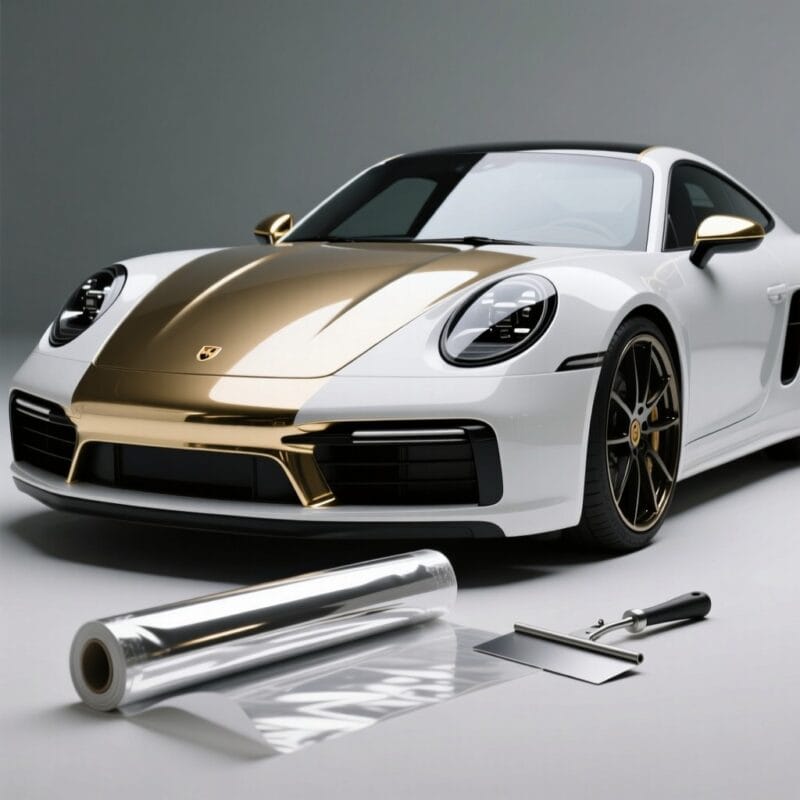
Yellow is the boldest color you can put on a car, and a high-gloss sunray yellow vinyl wrap is the fastest way to get that look — typically in a thin cast PVC film that stretches over panels, protects the original paint underneath, and reverses cleanly when the owner wants a change. Whether you’re a wrapping shop, a distributor, or a detailing studio, this guide walks through what this shade actually delivers, what to check before buying, and how Shimao supports OEM and wholesale programs for buyers sourcing film at volume.
Why Sunray Yellow Works So Well in Gloss
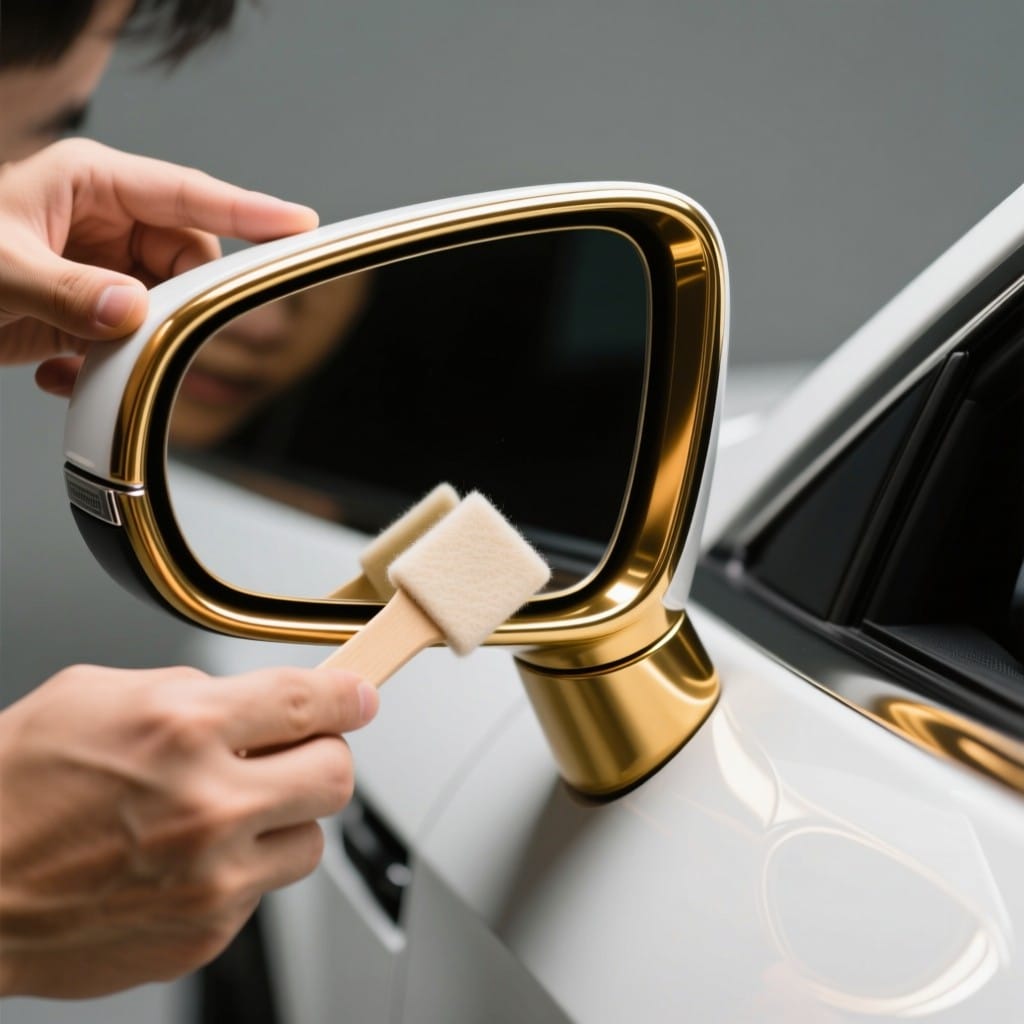
Think of sunlight hitting a polished brass bell — that’s the effect a proper sunray yellow aims for. The color sits in that narrow band between pure lemon and warm gold, so a gloss topcoat makes it appear to glow rather than just sit there. Shops choose this shade for three practical reasons:
- Visibility and presence. A yellow vehicle gets noticed in traffic, at shows, and on social media — free marketing for a wrap customer.
- Coverage behavior. Yellow hides body lines and shallow imperfections better than white or silver films, provided the installer overlaps correctly.
- Reversibility. Unlike respray, the original paint stays untouched underneath, which protects resale value.
One honest caveat from the shop floor: gloss yellow shows contamination fast. Dust nibs, fingerprint oils, and installer creases are far more visible than they’d be on a matte charcoal film. That’s exactly why film quality and installer technique matter more with this color than with most.
What the Film Is Made Of: Description and Key Attributes
A professional-grade gloss yellow car film, as Shimao produces it, is a cast vinyl built in layers. The face layer carries the pigment and the high-gloss PET or clear-coat finish. Under that sits the pressure-sensitive adhesive system with air-release channels — without those micro-channels, trapped air turns every large panel into a bubble-hunting exercise. The release liner protects everything until the moment of application.
Typical attributes you should see on a proper technical data sheet:
| Attribute | Typical Spec (per manufacturer TDS) |
|---|---|
| Film thickness | ~3.5–4 mil (~0.09–0.10 mm) including adhesive |
| Film type | Cast PVC, elasticized for conformability |
| Finish | High gloss, UV-stabilized topcoat |
| Adhesive | Low-tack acrylic, air-release channels |
| Release liner | Silicone-coated paper or PET |
| Expected outdoor life | Commonly 3–5 years per manufacturer data |
| Roll widths | Commonly 1.52 m × 15–18 m per car paint protection film roll |
Two numbers matter more than the rest when comparing suppliers. First, thickness: quality cast wrap film sits around 3.5–4 mil (~0.09–0.10 mm), and films noticeably below that can tear during deep-draw stretching over bumpers and mirror housings. Second, outdoor life: UV-stabilized films hold their yellow without fading toward mustard, while cheap pigment systems can shift noticeably within a single summer — this is documented across industry data on cast vinyl weathering.
OEM Match: Getting the Shade Right
Not every “yellow” is the same yellow. This is a point that trips up buyers constantly. Sunray yellow is designed as a close visual match to several production and popular aftermarket yellows — think of the bright safety-yellow tones used on sports coupes and track cars — but vinyl will never be a 100% spectral twin of baked automotive clearcoat under every light.
Shimao’s OEM/ODM manufacturing capability exists precisely for this problem. As a paint protection film manufacturer and color film producer, Shimao can:
- Match a customer’s supplied color target or physical panel sample.
- Adjust gloss level, pigment load, and metallic content for private-label programs.
- Produce under the customer’s own brand with consistent batch-to-batch color control.
If you’re a distributor reselling to body shops, insist on a physical sample swatch before committing to a full run of film. Screen colors lie; adhesive-backed swatches don’t. And order enough film from a single batch — even excellent production lines vary a shade or two between batches, and a two-tone car is nobody’s friend.
Features That Separate Good Film from Frustration
What should you actually look for? In day-to-day installation, these are the features installers notice first:
- Stretch without whitening. Quality cast film stretches 30%+ over deep contours and returns to shape instead of going cloudy at the stretch points.
- Air-release channel density. Well-engineered channels let bubbles be squeegeed out in one or two passes, not chased for ten minutes.
- Repositionability. A low-tack acrylic system lets you lift and realign a panel during the first minutes — essential on long horizontal surfaces like hoods.
- UV and weathering package. This determines whether the yellow still reads “sunray” in year three or has dulled into
